At a glance
- As of November 18, 2026, 22 states and Puerto Rico issue a mobile driver's license built to ISO/IEC 18013-5, per AAMVA's implementation map and TSA's participating-states page.
- California reported 1.7 million active mDLs in April 2026, about 900,000 of them in the DMV's own wallet. The DMV says an mDL doesn't replace the plastic card.
- More than 2 million Coloradans use the myColorado app, Gov. Jared Polis said, per Colorado Newsline on September 1, 2026.
- 75% of Louisiana drivers use LA Wallet, according to LA Wallet.
- Running each wallet as its own program gives one license several sets of security checks. One provisioning process for every wallet closes that gap.
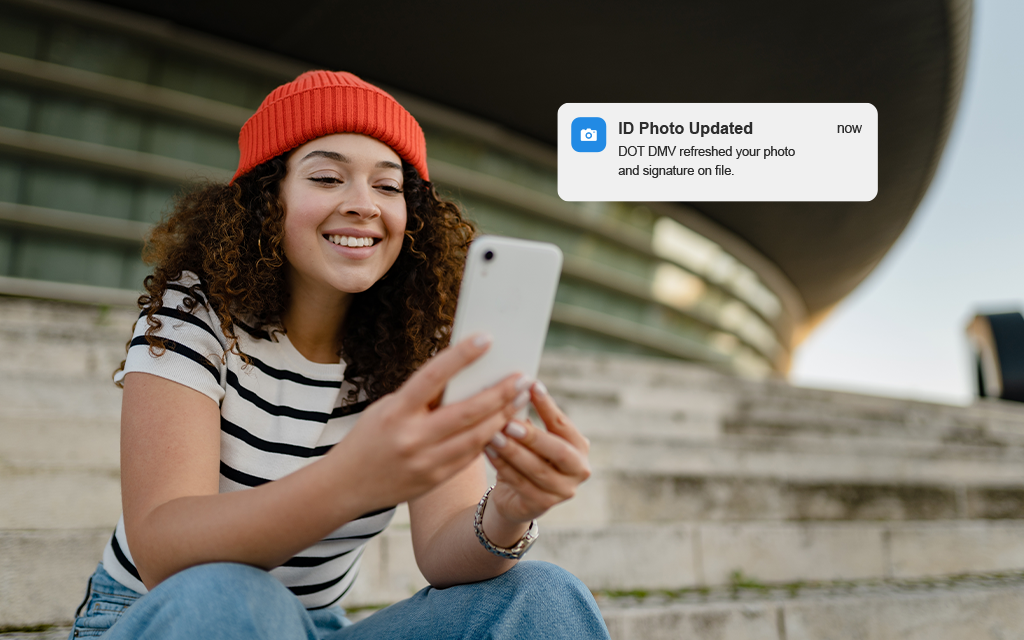
On July 13, 2026, California Governor Gavin Newsom signed SB 169. It raised the cap on the state's mobile driver's license pilot from 15% to 60% of licensed drivers. The same bill eliminated certain mailed notices and changed how the DMV reaches drivers about renewals.
We built AX Wallet with the Arizona Department of Transportation Motor Vehicle Division. So the clause about mail caught our eye.
Where the default breaks
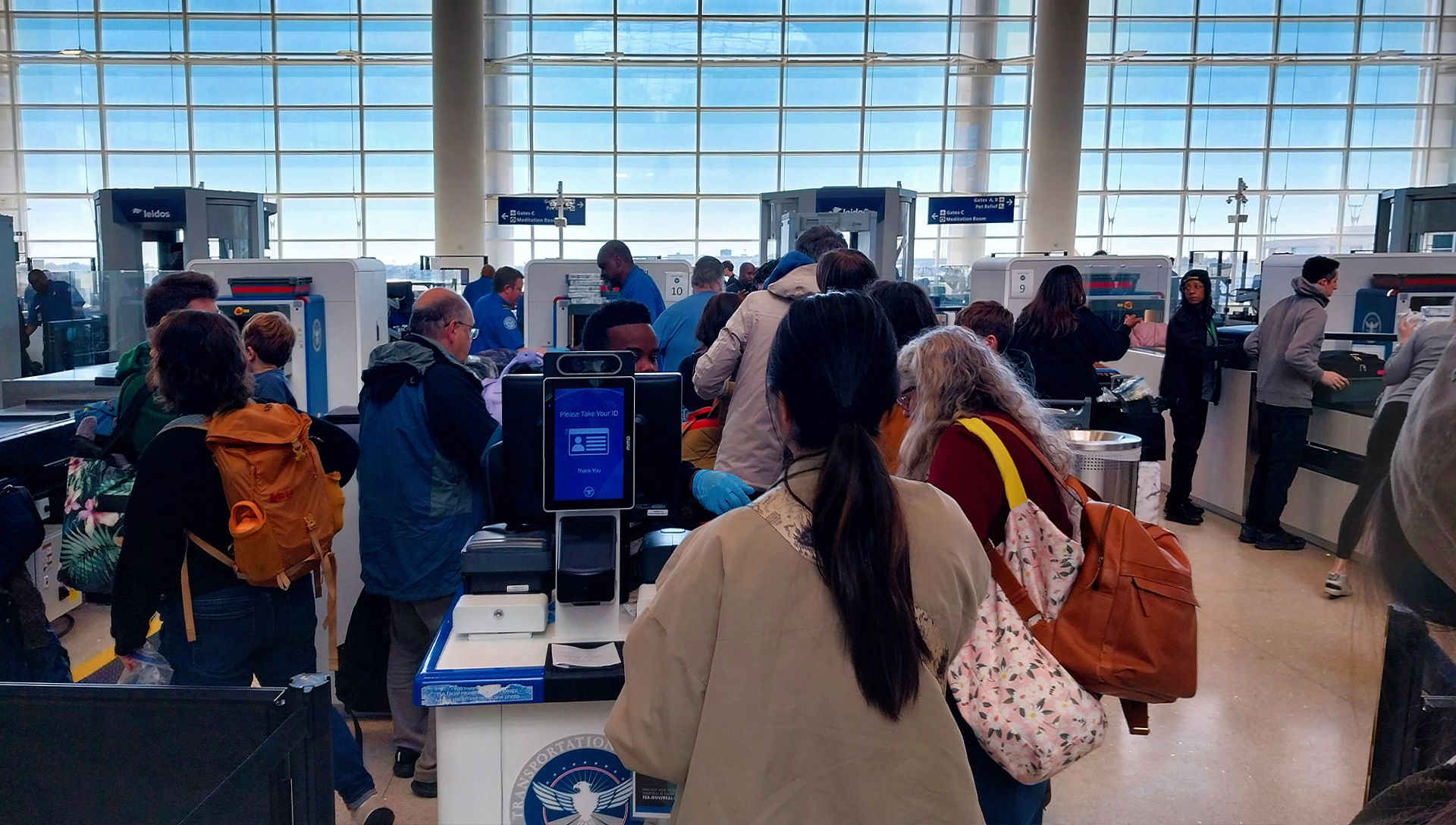
Most state RFPs for a digital license are written around one thing: a mobile driver's license (mDL) that conforms to ISO/IEC 18013-5 and 18013-7 and to AAMVA's guidelines and qualifies for a TSA waiver. Those are the right asks. TSA's final rule, effective November 25, 2024, lets each state apply for a temporary waiver, and TSA approves states one at a time. As of November 18, 2026, 22 states and Puerto Rico issue a mobile driver's license built to the standard. Residents judge a digital license at the airport. If it fails there, it fails.
But a license is one credential. Once residents carry a state app, other agencies want in. Wildlife wants hunting and fishing licenses on it. Vehicle services wants registrations. And sooner or later, someone in the governor's office asks why the state still mails renewal notices to people who carry state government access in their pocket.
Colorado is already there. Gov. Jared Polis said more than 2 million Coloradans use the myColorado app, which holds Parks and Wildlife licenses and vehicle registrations next to the ID, Colorado Newsline reported on September 1, 2026.
An RFP written only around the license can't answer those requests. The state winds up buying a second system or waiting on a vendor's roadmap. Neither is cheap. How many agencies in your state have already asked to be in the app?
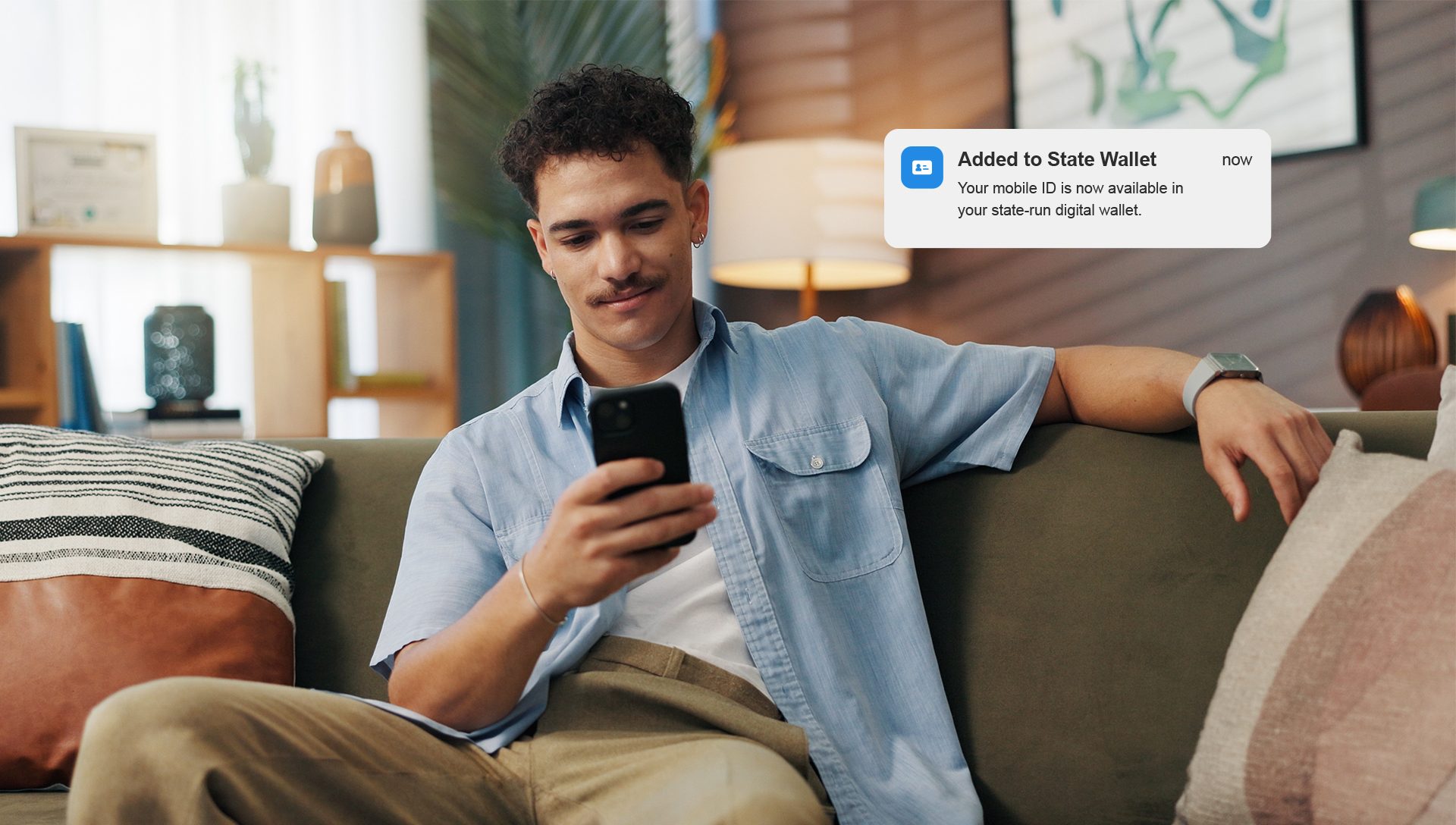
Control is the other gap. Apple, Google and Samsung wallets carry state licenses in participating states, and residents like them. Arizona's mDL goes into all three, ADOT notes. But a state doesn't decide which credentials those wallets take, or when. Nor will they carry a state renewal notice. A state that wants a channel it governs has to own one.
A state that offers both kinds of wallet can open a third gap. If each wallet runs as its own program, with its own enrollment, renewal and revocation path, the same license ends up behind different security checks, and a fraudster can shop for the weakest one. Our white paper calls the fix State-Controlled Multi-Wallet Provisioning: one governed process for identity proofing, issuance, renewal, suspension and revocation, whichever wallet the resident picks.
What gets residents to install it
A wallet saves nothing until residents install it. The mailroom savings in SB 169 work the same way: a renewal notice stops costing postage only when the driver it's addressed to is in the app.
Louisiana shows how far a state wallet can go. LA Wallet says 75% of Louisiana drivers use it. California shows both the pull of a state wallet and its limit. In April 2026 the state reported 1.7 million active mDLs, about 900,000 of them in the DMV's own wallet rather than Apple's, Google's or Samsung's, according to the governor's office. The mDL works at TSA checkpoints, participating convenience stores and several state online services, and the DMV says it doesn't replace the plastic card.
A resident who has to carry both has little reason to open the app. So acceptance is part of the rollout (it's why verifier tools sit on the list below), and so is giving residents something to do in the app besides show it. What would make a driver in your state open it twice a year?
"Arizona Wallet is another way ADOT MVD helps get Arizona residents out of the line and safely on the road."
A side note on vocabulary: If you search for "digital ID platform," you could find firms that help banks and retailers check who a customer is (they verify credentials someone else issued). Digital ID providers that serve states help the state issue them. The same words, but different products. A DMV director researching the category might start in the wrong aisle without knowing it.
The twelve questions
How many of these does your current requirements draft already ask? Count them. They build on the questions in our white paper and ask a vendor to answer with evidence.
- 1Describe conformance with ISO/IEC 18013-5 and 18013-7 and alignment with AAMVA's mDL implementation guidelines, and provide conformance test results or certifications where available.
- 2Describe how a resident shares one attribute, such as age over 21, without disclosing other data.
- 3Describe your support for the state's TSA waiver application and for presentation at TSA checkpoint readers, and name any state where a credential issued through your platform is accepted by TSA today.
- 4Describe how the platform supports, or plans to support, one workflow for identity proofing, issuance, renewal, suspension and revocation across the state wallet and approved native wallets (Apple, Google and Samsung).
- 5List every credential type live in production for a current customer, with the customer named.
- 6Describe how the state sends authenticated notices to residents, how a resident can confirm a message came from the state, and which transactions a resident can complete inside the app today.
- 7Identify who controls branding, release timing, data retention and new credential types. Name the state roles that can suspend or revoke a credential and the audit record each action leaves.
- 8Describe integrations with the state's current DMV system of record and name reference deployments on the same platform.
- 9Report activation and adoption figures for existing deployments, with dates.
- 10List every fee a resident or relying party may be charged, and state the accessibility standard the app meets and the languages it supports.
- 11Describe the verifier tools included and the onboarding support for law enforcement and businesses.
- 12Provide an implementation plan by phase, with the state staff time each phase requires.
If you'd like a second read, send the requirements section of your draft to our team. We'll mark which of the twelve it asks and which it misses, and send it back.